The story
Reality Check · Venice, Italy · Verified 18 September 2026
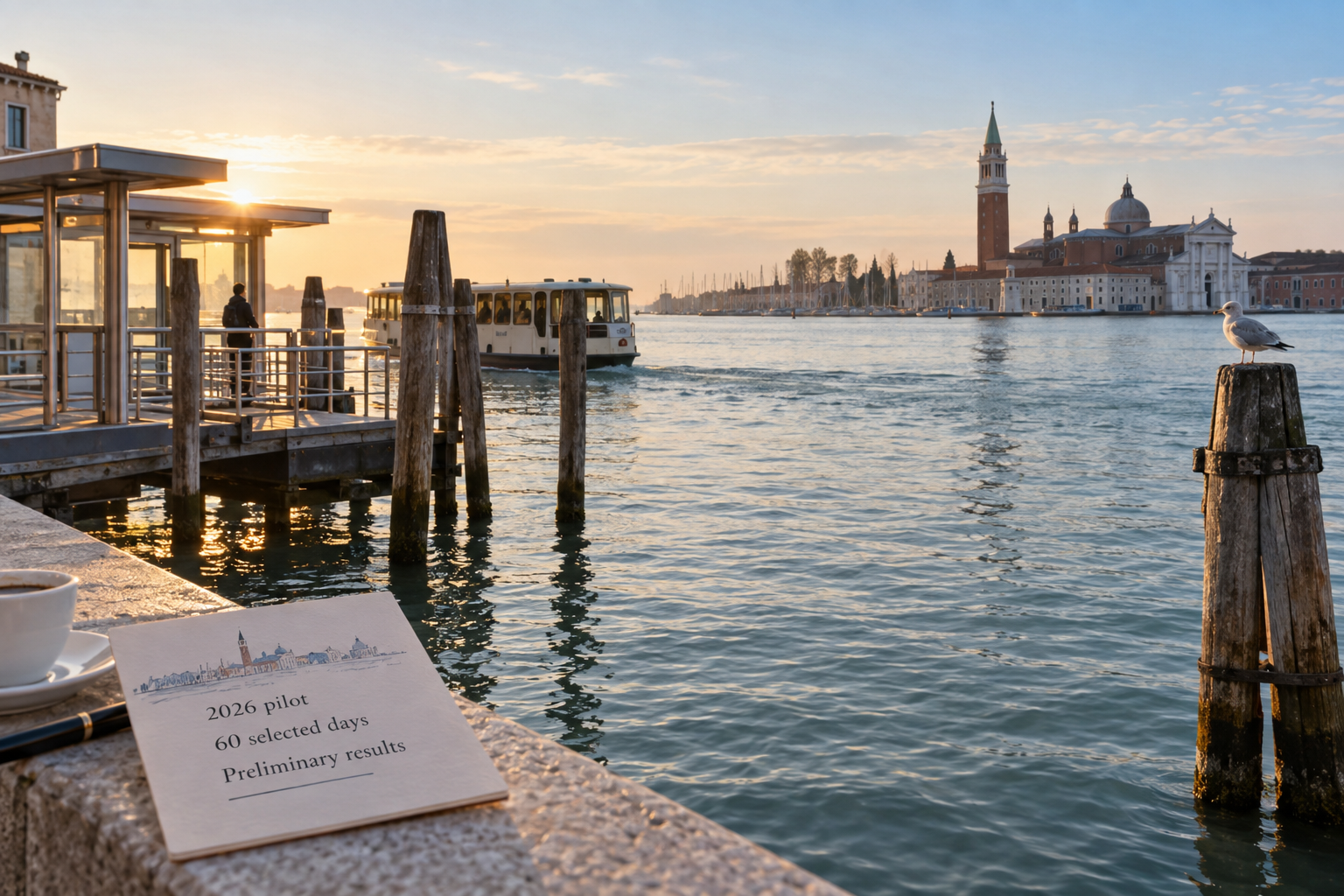
Venice's 2026 access-fee pilot appears to have reduced its sharpest paid-voucher peaks, not demonstrated that the historic city became broadly uncrowded. The Comune di Venezia reported one charge day above 20,000 paid vouchers in 2026, compared with four in 2024 and three in 2025. But the city also says its figures are preliminary and that different calendars, holidays, weather and demand make a simple year-to-year verdict unreliable.
For a future day visitor, the practical lesson is narrower. The 2026 scheme applied only on 60 specified dates from 3 April through 26 July. It was not a year-round ticket or a reservation that promised empty streets. Check the current official calendar and whether you need to pay or register before treating an old pilot result as a plan.
What the 2026 results actually show
The municipal release records 679,553 paid vouchers and €5,215,035 in revenue across the 60 charge days. It says the average daily voucher count was 32.3% below 2024 and that only one 2026 day exceeded 20,000 vouchers. The highest day was Saturday 2 May, with 25,471 vouchers; the next-highest day had 18,969.
Those are useful signs about the most intense day-visitor periods, but they are not a total headcount for everyone in the historic city. A voucher can record payment or a qualifying condition; it cannot by itself describe every street, overnight visitor, resident experience, museum queue or local service. The city itself says it will continue analysis to separate the effects of calendar design, weather and underlying demand.
The reasonable objection is that fewer extreme voucher days may still make a visit meaningfully easier. That may be true on particular dates. It is just not the same claim as “Venice solved crowding,” and the published data do not establish that wider conclusion.
The price rewarded earlier decisions, not spontaneity
The city says 316,099 paid titles (46.5%) used the €5 rate available when booked by the fourth-to-last day before access. The remaining 363,454 (53.5%) cost €10 when obtained in the three days before a visit. The rule made advance planning cheaper, but it did not guarantee a quieter day or replace ordinary transport, accommodation and timed-entry checks.
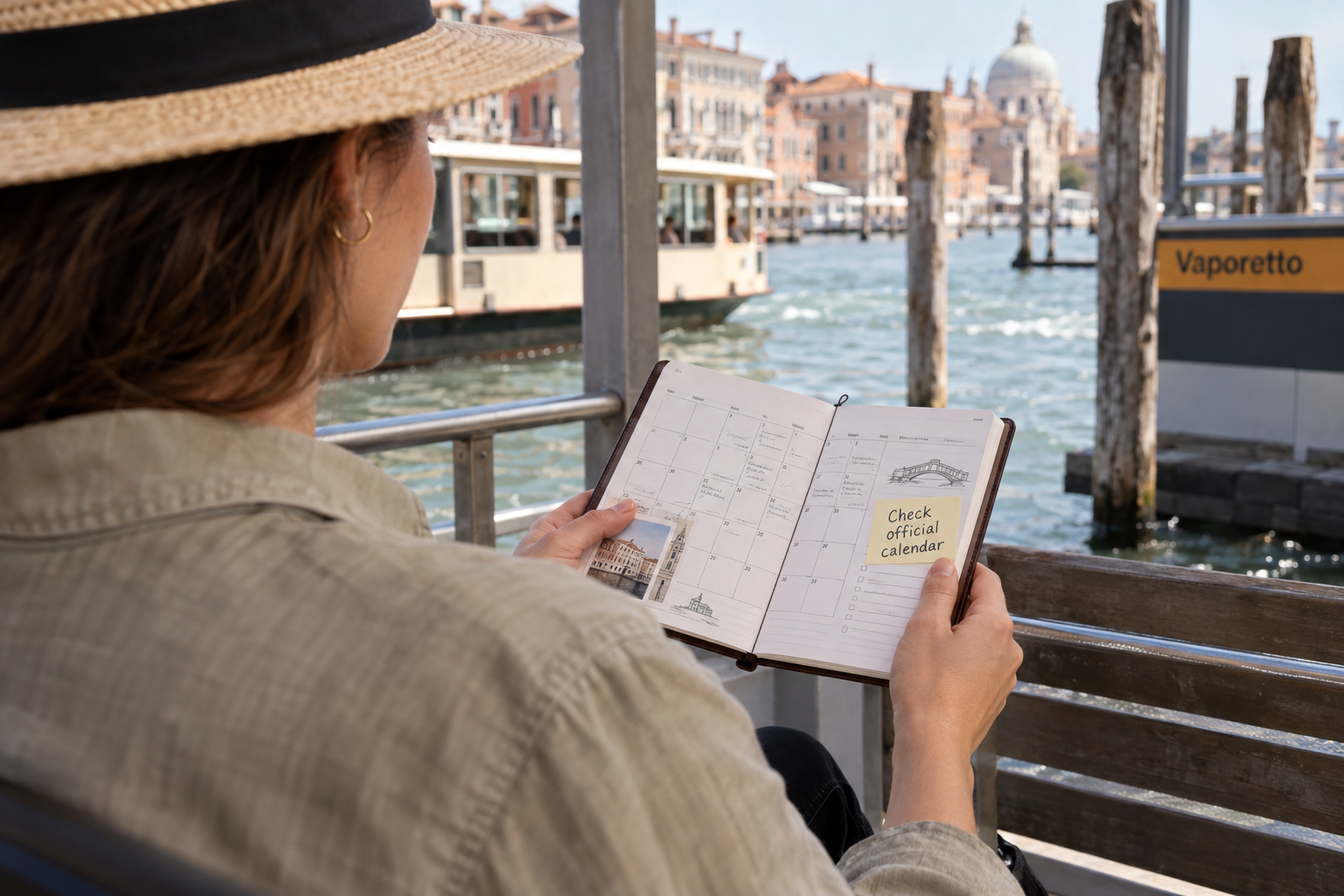
The distinction matters because overnight visitors can be exempt from payment yet still need to register through the official system, while other exclusions and exemptions apply. The municipal rules say the contribution generally concerned people over 14 entering the historic city on applicable days. Eligibility depends on the traveller and purpose of the visit, so a hotel booking or a prior visit should not be treated as a universal answer.
A better way to use the result
Treat the 2026 numbers as a warning against two opposite mistakes: assuming the fee made Venice quiet, or assuming a fee automatically makes a day trip unworkable. If a future calendar includes your date, check the official portal first; then choose your arrival and paid reservations around the parts of the city you actually want to use. If your itinerary is flexible, avoiding the most obvious holiday and Saturday pressure still makes sense, but the municipality has not published a universal “quiet day” guarantee.
The unresolved question is whether any future version will retain the same dates, prices or rules—and whether lower paid-voucher peaks translate into a measurable benefit for residents after operating costs. The city says €1.771 million had already been allocated to waste-bill reductions after management costs, but the durable local effect needs evidence beyond the pilot's provisional totals.
Sources and evidence status
> Independent editorial coverage. No affiliate links, paid placement or commercial partnership.
>
> This is not immigration or legal advice: use official Italian guidance for the passport and purpose of travel in question.