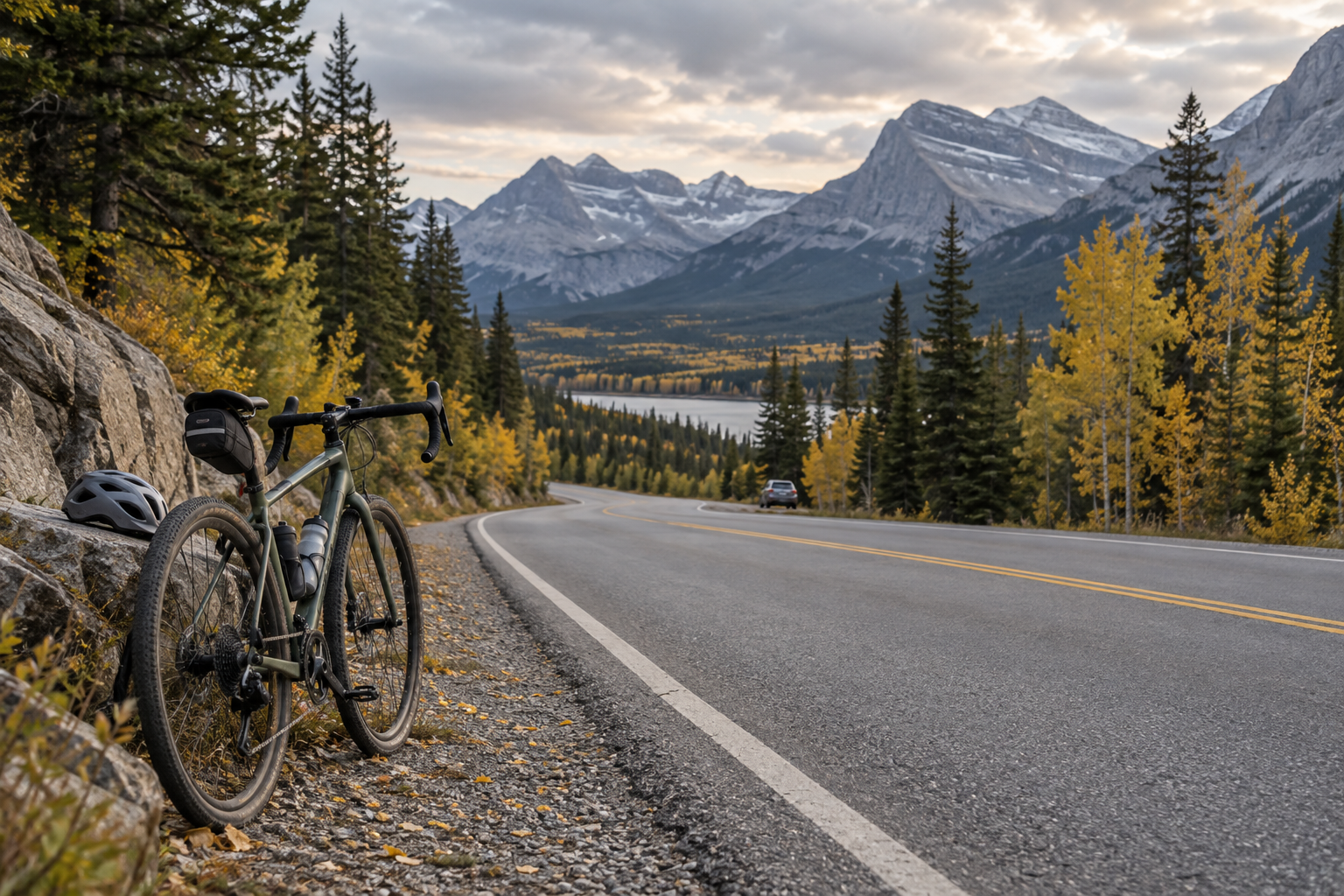
The story
Contrast · Banff National Park, Canada · Verified 13 September 2026, 10:35 KST
From 1 September through 6 October 2026, Banff restricts personal vehicles on the eastern 17-kilometre section of the Bow Valley Parkway between Fireside Day-use Area and Johnston Canyon. You can still drive the wider Banff–Lake Louise corridor via the Trans-Canada Highway; the restricted segment is not the whole 48-kilometre parkway. Cycling, walking and e-bikes are permitted there, but the better choice depends on whether you want a slow, self-sufficient outing or simply a reliable way to reach Johnston Canyon.
That distinction is the difference between a pleasant fall plan and a frustrating detour. Parks Canada calls the Bow Valley Parkway a quieter alternative to the Trans-Canada Highway, and its extended cycling pilot aims to offer a vehicle-free experience. Yet a quiet road is not a promise of an easy ride: the agency says services are limited, sections of mobile coverage can be weak, and utility or Parks Canada vehicles may still use the narrow road.
The restriction is specific—not a Banff-wide driving ban
The current rule applies to the eastern 17 kilometres, from Fireside Day-use Area to Johnston Canyon, during the fall dates above. It does not close the entire Bow Valley Parkway or the Trans-Canada Highway. Parks Canada says businesses and commercial accommodation remain reachable by driving the highway and exiting at Castle Junction.
For a visitor whose priority is a short Johnston Canyon stop, driving around may be the practical answer. The strongest objection to calling the restriction an upgrade is simple: a car journey and a 17-kilometre self-propelled route solve different problems. The former preserves time and flexibility; the latter makes the route itself the experience.
Who gets the better day by cycling?
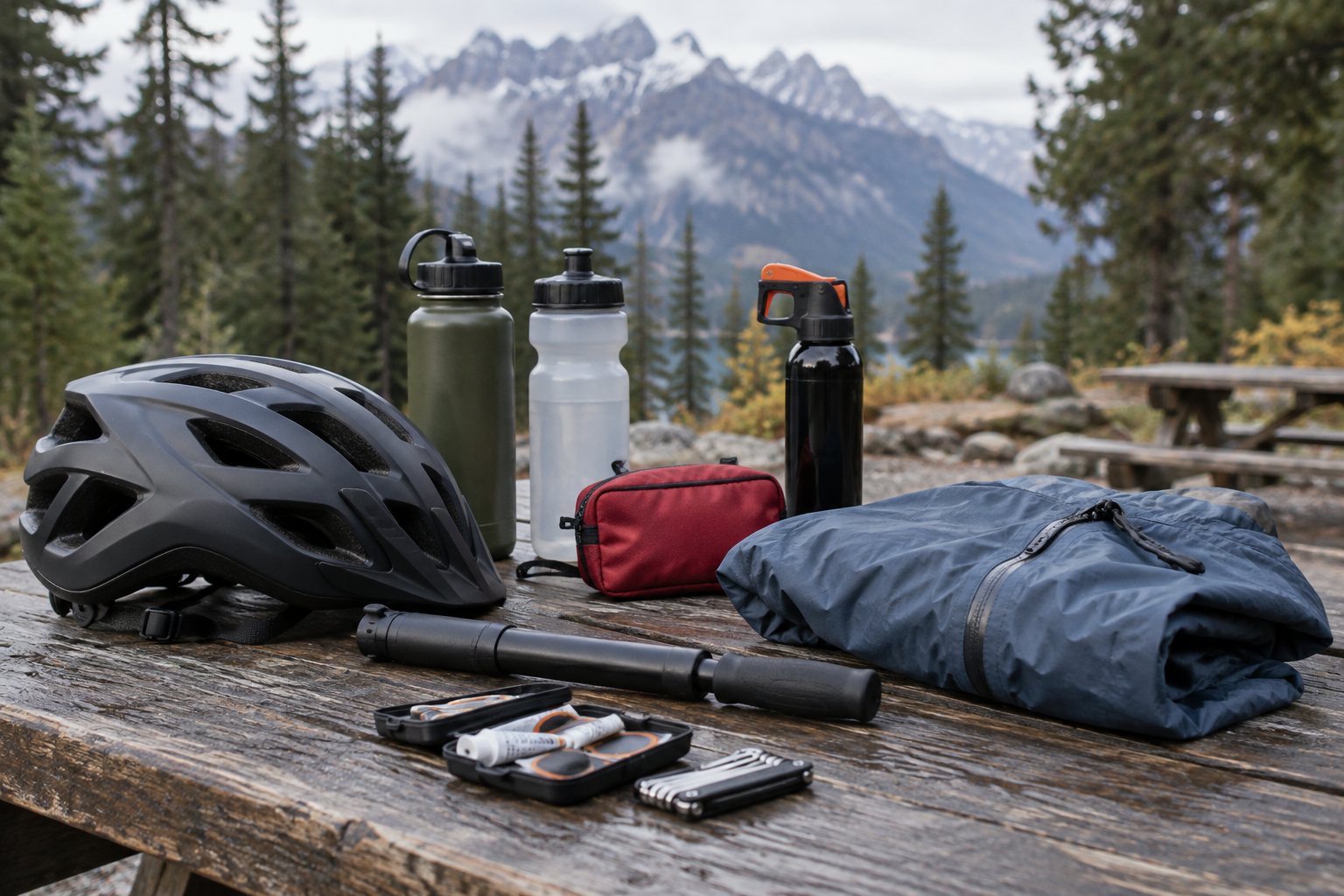
Cycling fits visitors who have deliberately made room for the road, can carry water, layers and repair equipment, and are comfortable treating the route as the day’s main activity. All non-vehicular use is allowed, and Parks Canada permits e-bikes on the parkway and on the Banff Legacy Trail that can be used to access it from Banff.
The appeal is real but should not be overstated. Parks Canada’s own description of the extended 2025–2030 pilot says it will continue to collect information about visitor experience, accessibility, safety, enforcement and wildlife management. That is an admission that “car-free” is not a finished answer to every visitor’s needs. The agency does not publish a universal ride-time, a guarantee of low traffic, or a verdict that cycling is suitable for every ability level.
The preparation burden is part of the choice
Parks Canada advises visitors to bring sufficient food and water, clothing for variable weather, and bike tools and parts. Toilets and day-use areas exist, but services are limited. Cell coverage is generally available along the roads, the agency says, while some areas have low or no coverage. Those details matter more for a solo rider or a visitor renting an unfamiliar bike than for someone taking a scenic drive.
Wildlife is another constraint, not a photographic bonus. The park asks cyclists to stay alert, travel in groups when possible, make noise, slow down, look ahead, carry bear spray and know how to use it; it also discourages earbuds. This is official safety guidance, not evidence that a rider will encounter wildlife on a particular day.
A simple decision rule for a fall itinerary
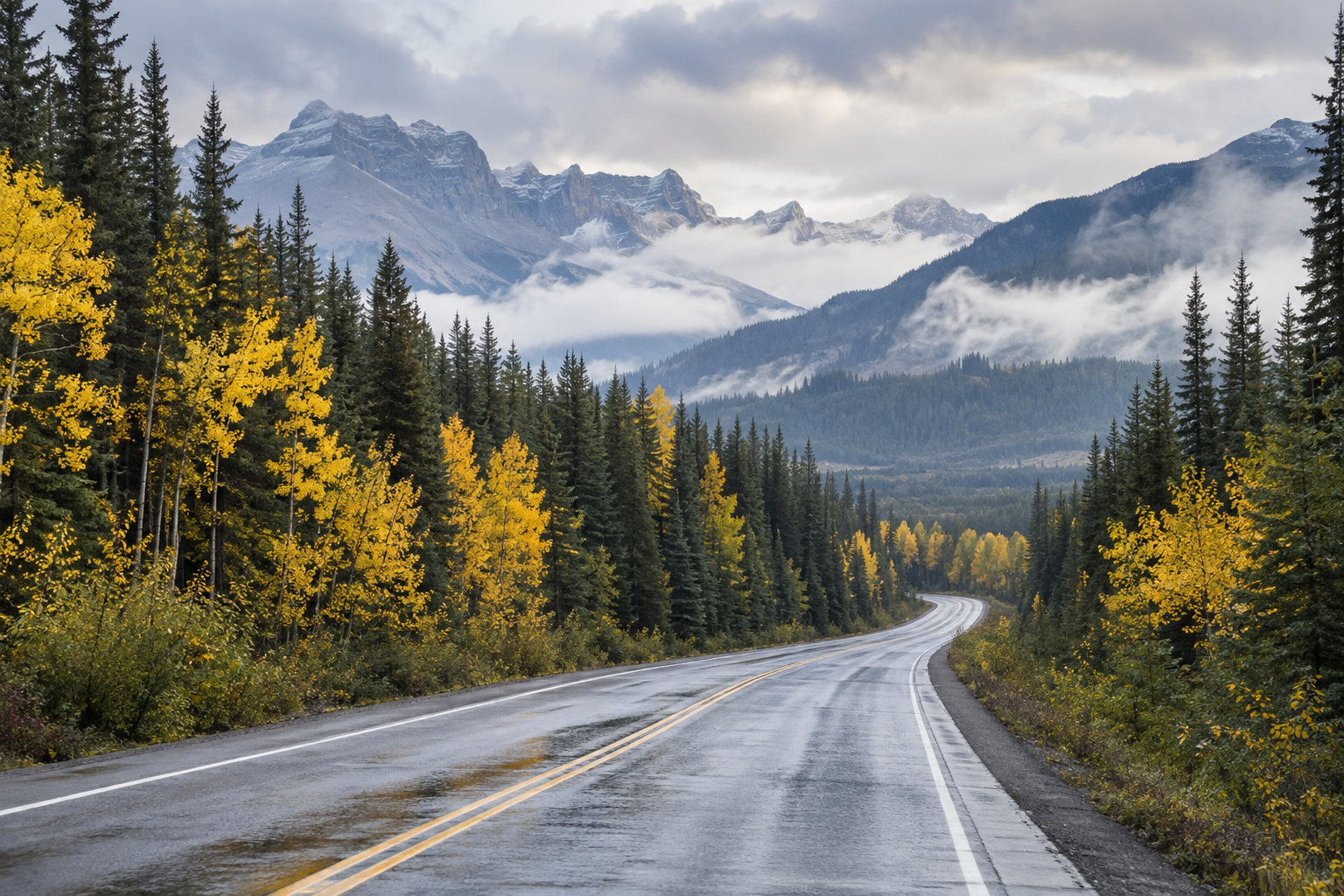
Choose the highway route if your day is built around a timed booking, a short Johnston Canyon visit, passengers who do not want a long ride, or changeable weather that makes a self-supported outing a poor fit. Choose the parkway by bike or on foot if the moving-through-the-landscape part is the point, you have the right equipment, and you can keep the schedule flexible.
The unresolved question is whether day-of-travel alerts will change the experience. The Banff bulletin index currently lists the 1 September personal-vehicle restriction, but weather, wildlife management or other operational notices can alter access. Check the Parks Canada Bow Valley Parkway page and the current Banff bulletins before leaving—not after committing to the route.
Sources and evidence status
> Independent editorial coverage. No affiliate links, paid placement or commercial partnership.
>
> This is not immigration or legal advice: use official Canadian guidance for the passport and purpose of travel in question.